The computing continuum paradigm assumes that computing resources are distributed across a connected range of environments, from tiny sensors and embedded devices to edge nodes, local servers, cloud data centers, and high-performance computing systems. Rather than treating cloud, edge, IoT, and on-device computing as separate layers, the computing continuum envisions them as a flexible and coordinated infrastructure in which workloads can be placed, moved, and adapted according to application needs. This enables the optimization of key factors, including latency, bandwidth, energy consumption, privacy, reliability, and cost.
However, the unprecedented interconnection enabled by this vision also amplifies the potential impact of cyberattacks. Vulnerabilities in software, firmware, or hardware may no longer remain confined to a single device or platform, but can instead propagate into large-scale operational and societal risks. Computing resources must therefore be able to assure that their critical components behave as intended, even in the presence of adversaries. Without such assurance, higher-level security mechanisms lose much of their value, since they may themselves rely on compromised foundations.
Trusted Computing architectures were introduced to provide this kind of assurance, but they have traditionally focused on individual platforms. The computing continuum challenges this assumption. It requires moving from isolated trusted platforms towards a trust continuum: a common baseline of essential trust services available across the full spectrum of computing resources, enabling not only secure execution but also the seamless migration of trusted workloads.
In this talk, I will discuss the challenges that must be addressed to evolve existing Trusted Computing architectures for the computing continuum. In particular, I will focus on extending trust to low-end devices, enabling interoperability among existing trust technologies, and supporting the migration of trusted workflows across heterogeneous and dynamic environments.
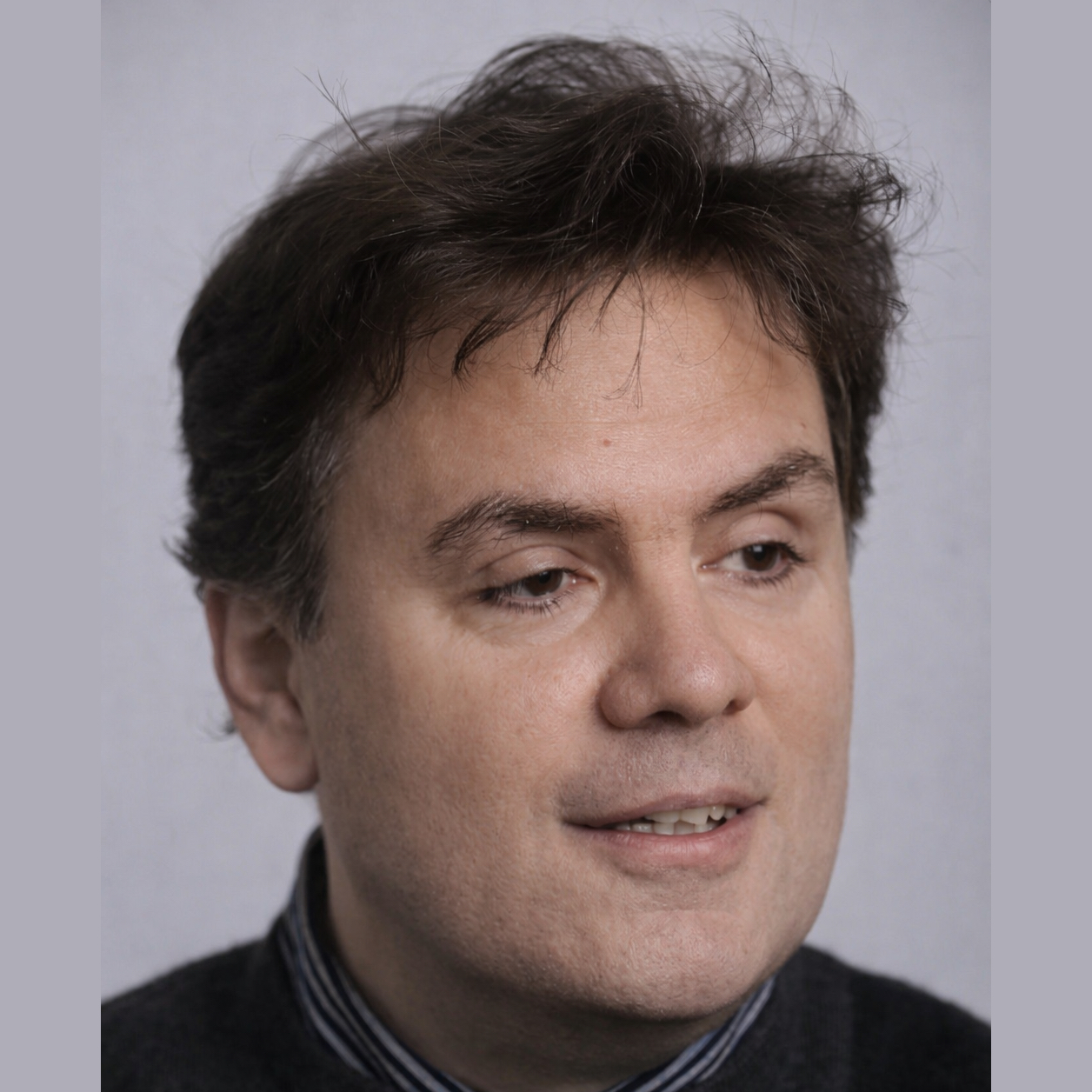
Department of Computer Science and Information Engineering
University of Trento
Bruno Crispo is a Full Professor at the University of Trento, Italy. Previously, he served as an Associate Professor at Vrije Universiteit Amsterdam and as a Full Professor at KU Leuven, Belgium. He received his Ph.D. in Computer Science from the University of Cambridge, UK. His research focuses on the design and analysis of secure and trustworthy systems, spanning embedded and IoT devices, authentication protocols, access control, and privacy-enhancing technologies. He has made significant contributions to trusted computing, shaping approaches to platform integrity, secure boot, and hardware-based security mechanisms, with an impact on both academic research and industrial practice. He has participated in numerous European cybersecurity research projects.